
7 Fabrics Changing Sports Apparel in 2026
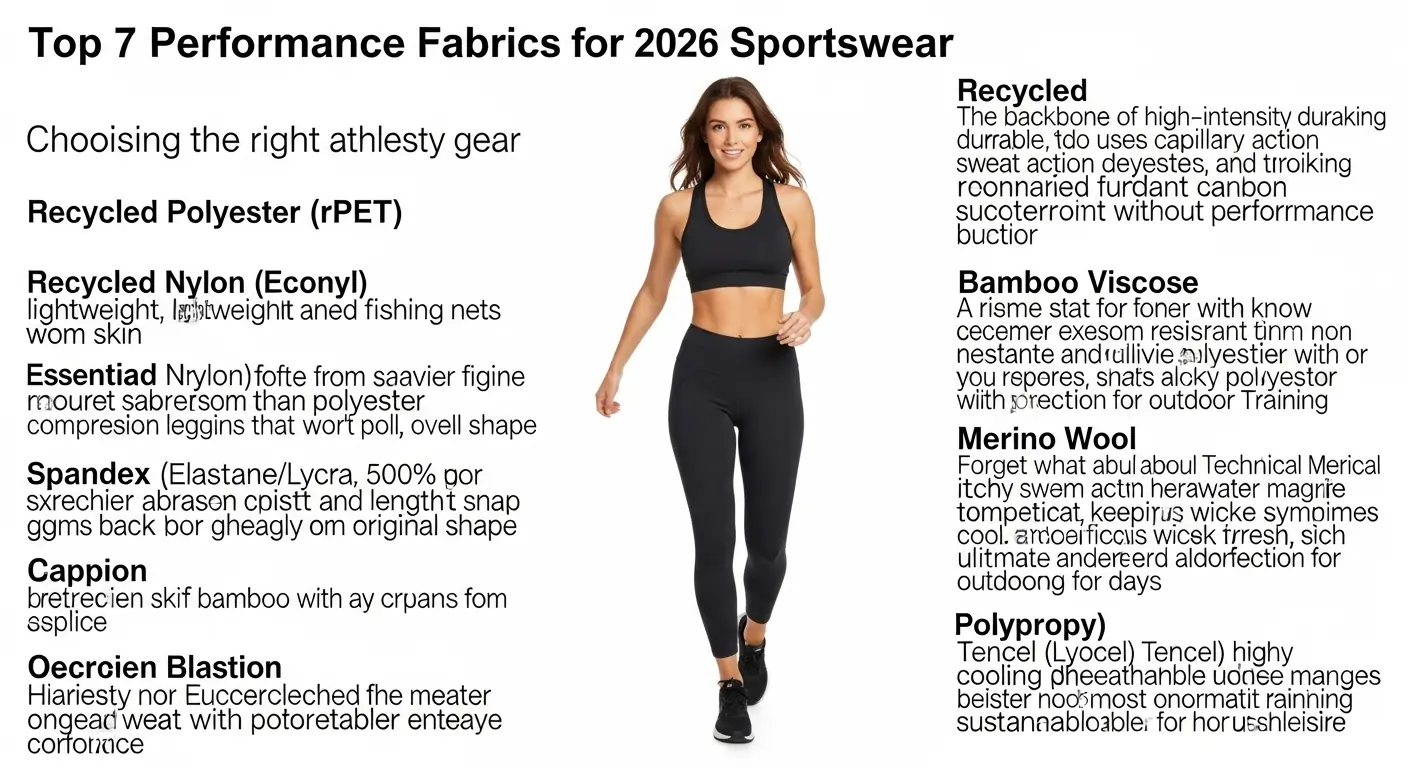
If you think your workout gear has reached its peak, think again. For years, we’ve relied on basic moisture-wicking polyester and spandex, but 2026 is the year fabric truly becomes technology. We are moving past clothes that simply sit on your skin toward materials that actively work with your body.
From threads that harvest energy from your movement to bio-based fibers that “breathe” as you sweat, the current level of innovation is massive. Whether you are a professional athlete or someone who just wants to stay comfortable during a morning jog, these seven fabrics are redefining what it means to dress for performance.
Key Benefits of High-Tech Custom Team Uniforms Enhanced Performance
By maintaining an optimal body temperature, these fabrics prevent premature fatigue, allowing athletes to perform at peak levels for longer durations.
Rapid Recovery
The FIR technology found in modern custom team uniforms reduces lactic acid buildup, meaning players feel less sore the day after a big game.
Superior Comfort & Hygiene
Anti-bacterial coatings that don’t wash out (like Graphene or Silver ions) ensure that the gear stays odor-free even during intense double-header sessions.
Eco-Conscious Branding
Using sustainable materials helps teams align with modern values, attracting sponsors and fans who prioritize environmental responsibility.
Why Fabric Choice Matters in 2026
In the modern sports era, the fabric is as much a part of the equipment as the ball or the bat. The right material can reduce drag, prevent skin irritation, and maintain muscle warmth.. High-quality fabrics like those used in custom soccer sets ensure that players remain dry even during 90 minutes of high-intensity play.
Choosing the right material is the first step toward peak performance. In 2026, the focus has shifted from simple moisture-wicking to “smart” textiles that balance durability, comfort, and sustainability. Here are the top seven fabrics dominating the industry:
7 Fabrics Changing Sports Apparel in 2026
When ordering custom team uniforms this year, look for these seven game-changers:
- Graphene-Infused Mesh: The “wonder material” that is 200 times stronger than steel but incredibly light. It distributes heat evenly across the jersey.
- Bioceramic Recovery Fabric: Infused with volcanic minerals that aid in muscle repair while the athlete is still on the field.
- Bio-Based Polyester: Derived from sugarcane or castor oil, offering the same durability as plastic-based polyester but with a 40% lower carbon footprint.
- Invisible Smart Textiles: Fabrics with “soft intelligence” sensors woven into the chest to track heart rate and hydration without bulky straps.
- Self-Healing Polymers: Micro-capsules within the fabric that can repair small tears or snags automatically—perfect for high-contact sports like rugby.
- Recycled Sea-Bound Nylon: High-performance yarn made from intercepted ocean plastic, providing elite stretch and compression for swimming and cycling.
- Adaptive Compression Knits: Fabrics that change their tension level based on muscle movement, providing support only where and when it is needed.
Comparison Table: Performance & Best Use
Fabric | Strength | Stretch | Best For |
Polyester | High Wicking | Low (unless blended) | Soccer, HIIT, Team Uniforms |
Nylon | Durability | Moderate | Leggings, Cycling, Outerwear |
Spandex | Flexibility | High (500%+) | Yoga, Gymnastics, Swimwear |
Bamboo | Softness/Eco | Moderate | Training Tees, Base Layers |
Merino | Odor Control | Low | Running, Hiking, Winter Sports |
Tencel | Breathability | Low | Hot Weather, Athleisure |
Polypro | Quick-Dry | Moderate | Winter Base Layers, Socks |
Synthetic Polyester Blends
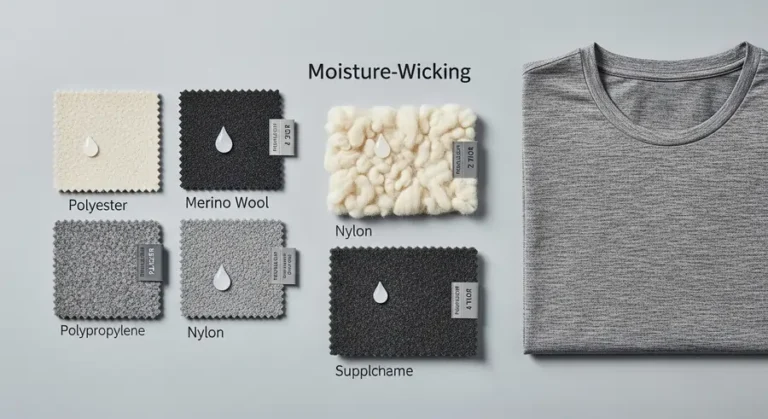
Polyester is the king of the gym. It is durable, lightweight, and offers excellent moisture wicking properties. Most professional jerseys and running tops use a polyester base because it doesn’t hold onto water. You can find high-quality polyester blends across our entire Sportswear collection.
Nylon and Spandex
Nylon is incredibly strong and resistant to mold. When mixed with spandex, it creates the stretchy, “second-skin” feel we love in Compression Pants. These blends provide great moisture wicking capabilities while allowing you to move freely during a heavy lifting session.
High-Tech Merino Wool
Believe it or not, wool isn’t just for winter sweaters. Modern merino wool is very thin and naturally moves sweat away from the skin. It is a fantastic choice for hikers and outdoor runners in the tri-state area.
Polypropylene
This is a plastic-based fabric that is even more water-resistant than polyester. It is often used as a base layer for winter sports because it forces sweat out while keeping heat in.
Common Mistakes to Avoid
- Ignoring Stitching Quality: The best fabric in the world will fail if the seams aren’t “Flatlock.” Standard seams cause chafing and irritation.
- Over-Designing with Sublimation: While sublimation is great for custom team uniforms, adding too much ink density can occasionally reduce the breathability of lower-quality fabrics.
- Choosing “Cheap” Recycled Fabrics: Not all recycled yarns are created equal. Low-grade recycled polyester can feel “scratchy” against the skin.
Why Fabric Selection Matters
In 2026, “Performance” means more than just staying dry. It’s about how a fabric handles the heat of a 45-minute HIIT session versus the steady endurance of a marathon. Using a blend like 90% Polyester and 10% Spandex provides the perfect mix of sweat management and freedom of movement, ensuring your gear lasts as long as your workout. For those seeking versatile options, our Tracksuits utilize these technical blends for both style and function.
Benefits of Choosing Professional Sportswear
- Regulates Body Temperature: Keeping dry helps your body maintain a steady temperature.
- Prevents Chafing: Wet fabric rubs against the skin, causing painful rashes. Dry fabric slides smoothly.
- Bacteria Control: Many moisture wicking materials have anti-microbial finishes to stop the “gym smell.”
- Durability: High-quality workout gear lasts much longer than a standard cotton t-shirt.
- Lightweight Performance: You won’t feel weighed down by a water-logged outfit halfway through your workout.
Signs Your Current Workout Gear Needs Replacing
If you notice these issues, it is time to upgrade your wardrobe:
- Heavy Fabric: Your shirt feels significantly heavier after 10 minutes of cardio.
- Slow Drying: If your clothes are still damp hours after your workout, they lack moisture wicking power.
- Lingering Odors: When the smell of sweat won’t wash out, the fibers have likely broken down.
- Visible Stains: Salt rings and yellowing indicate the fabric is trapping sweat rather than releasing it.
How Advanced Sportswear Fabric Works
The mechanism behind 2026’s leading fabrics relies on three primary scientific processes:
- Capillary Action (Moisture Wicking): Engineered micro-grooves in the yarn pull sweat away from the skin to the outer surface for instant evaporation.
- Far-Infrared Radiation (FIR): Fabrics like Graphene or Bioceramics reflect the body’s natural heat back into the muscles to increase blood flow.
- Phase-Change Materials (PCM): These materials absorb heat when the athlete is hot and release it when they cool down, maintaining a constant “micro-climate.
Expert Tips
As a professional in the bulk apparel industry, my top recommendation for 2026 is to mix your textures. Don’t use one fabric for the whole jersey. Use high-compression fabric for the sleeves to support the muscles and high-airflow mesh for the back and underarms. This “zonal” approach is what separates the pros from the amateurs in the world of custom team uniforms.
FAQ Section
- What is the most durable fabric for custom team uniforms in 2026?
The most durable options are Graphene-infused blends and high-tenacity recycled Nylon. These materials resist tearing and maintain their shape even after 100+ wash cycles.
- Are eco-friendly sports fabrics as good as regular ones?
Yes. In 2026, bio-based and recycled polyesters perform identically to virgin plastics in terms of stretch, sweat-wicking, and colorfastness.
- How do smart fabrics work in team jerseys?
Smart custom team uniforms use conductive silver or carbon yarns to create a circuit that monitors the heart rate and sends data to a coach’s tablet via Bluetooth.
- Can I get custom designs on these high-tech fabrics?
Absolutely. Modern sublimation printing works perfectly on Graphene and Bio-polyester, allowing for vibrant, full-color designs that never fade or peel
Conclusion
The evolution of custom team uniforms in 2026 is centered on a “human-first” design philosophy. By choosing fabrics that actively work with the athlete’s biology—regulating temperature, aiding recovery, and protecting the environment—teams can unlock new levels of potential.
Investing in high-quality custom team uniforms is no longer just about looking good on the field; it’s about providing your players with the technological tools they need to win. Ready to upgrade your team’s performance? Focus on these seven fabrics and lead the league in both style and science. Explore our full range of Products to find your perfect fit.