What Is Dri-Fit Material? Types, Uses, and Benefits Explained
In today’s world, comfort and performance matter as much as style. Whether you’re working out, walking, or dressing for casual streetwear, you’ve probably heard the term Dri Fit. But what exactly is Dri Fit material, and why is it so popular in both sportswear and everyday clothing?
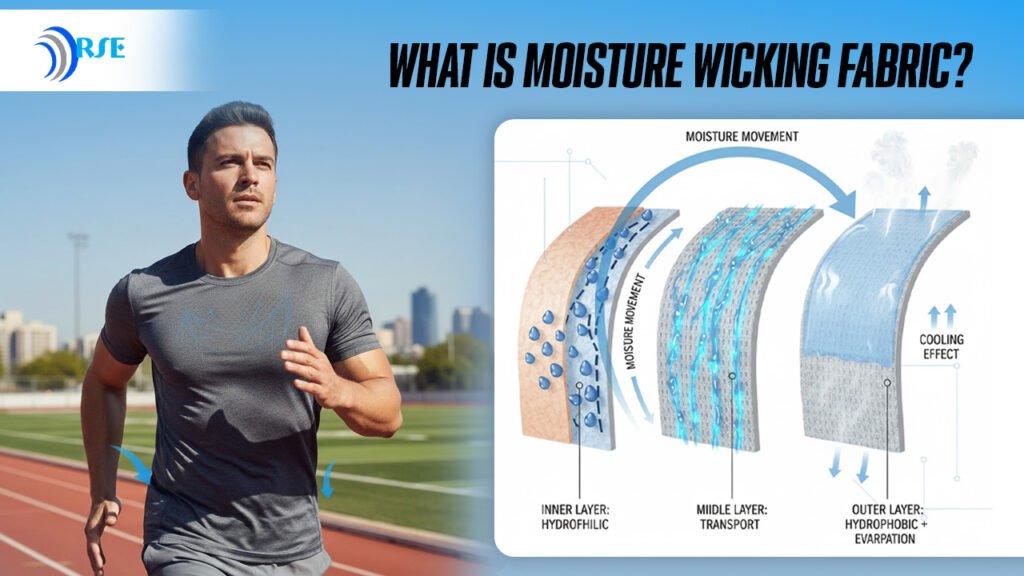
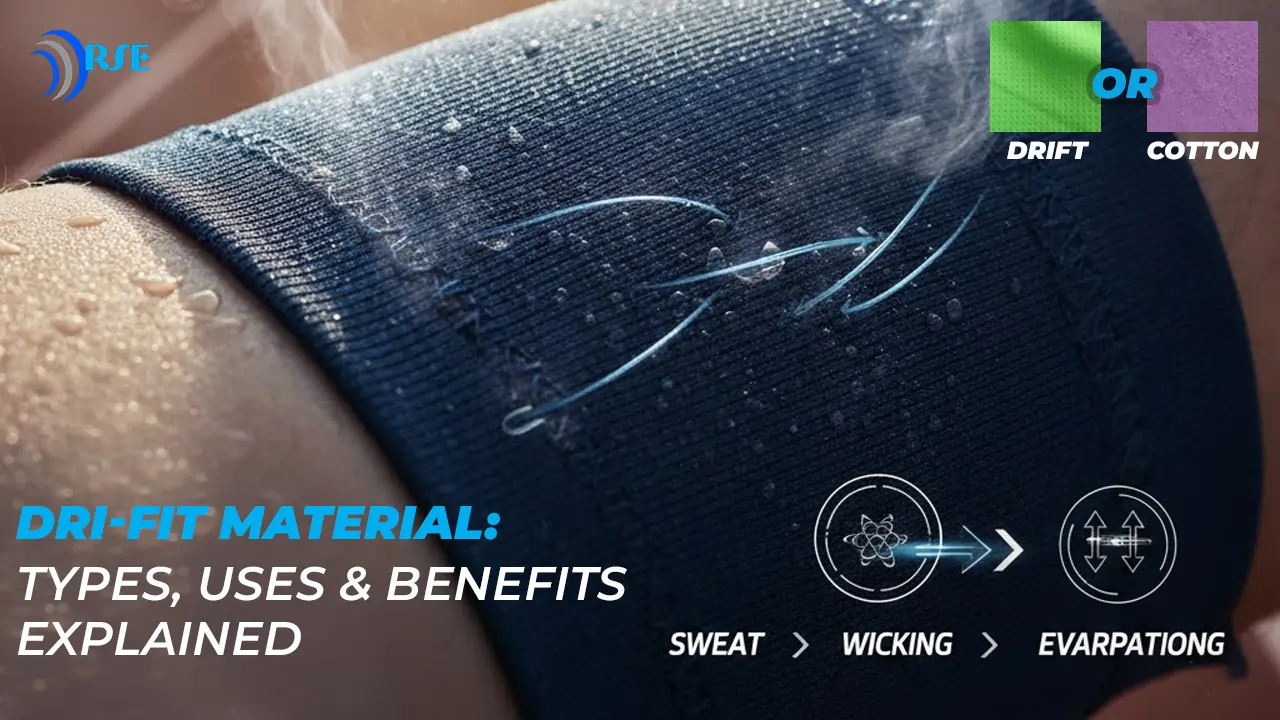
In simple words, Dri Fit material is a modern fabric made to keep you dry, cool, and comfortable. It works through moisture-wicking technology, meaning it moves sweat away from your skin so it can dry quickly. Unlike cotton, which absorbs sweat and stays damp, Dri Fit stays light and breathable, even on hot U.S. summer days.
This fabric isn’t just for the gym anymore. Dri Fit shirts, Dri Fit hoodies, and Dri Fit pants are now part of daily fashion because they feel soft, stretch easily, and hold their shape. Let’s explore what Dri Fit material really is, how it’s made, and why it’s become a must-have for both athletes and streetwear fans.
What Does Dri Fit Mean?
You might wonder, what does “Dri Fit” mean, or what does “Dri” stand for? The word “Dri” simply stands for “Dry,” representing the main goal of the fabric — to keep you dry.
Originally developed for sportswear, Dri Fit fabric uses quick-dry fabric technology to pull moisture away from your body so it can evaporate faster. This process helps you feel cooler and less sticky, even when you’re sweating.
Many people in the U.S. choose Dri Fit shirts for men for gym sessions, outdoor runs, or just daily comfort because they work better than heavy cotton. The secret lies in how the fibers are built — the material allows air to flow while pushing sweat to the outside. It’s like wearing clothing that helps your skin breathe.
What Is Dri Fit Material Made Of?
Dri Fit material is usually made from polyester microfibers blended with spandex or elastane for flexibility. These fibers are super thin, even finer than human hair, and are specially designed to spread moisture over a wider surface so it can dry quickly.
This kind of dry-fit material is soft, durable, and made to stretch with your body. The combination of polyester and spandex is what gives it that smooth, cool feel when you wear gym wear or compression shorts.
Some versions also feature antimicrobial finishes to prevent odor and UV protection to block sunlight, making them perfect for outdoor workouts or active days in the city. In short, Dri Fit fabric is all about helping your body stay dry and comfortable while still looking good.
Types of Dri Fit Fabric
There are several types of Dri Fit material, each made for different needs from high-energy workouts to relaxed streetwear looks. Here are some common ones you’ll find in U.S. stores and online brands:
1. Eyelet Dri Fit
This is the most breathable version of Dri Fit fabric, known for its tiny holes that let air flow easily. The pattern looks like small dots or mesh openings, making it the top choice for gym wear and sports jerseys. Eyelet Dri Fit shirts are light, airy, and ideal for workouts or long outdoor runs.
Pros:
- Excellent ventilation keeps you cool even during heavy sweating.
- Dries almost instantly after washing or workouts.
- Very lightweight and comfortable to wear for hours.
- Affordable option for bulk uniforms or event tees.
Cons:
- The fabric can feel slightly rougher compared to smoother knits.
- Mesh holes can make fine print designs look uneven.
Best for:
Sports jerseys, marathon tees, school or corporate events, and gym shirts in warm weather.
2. Interlock Dri Fit
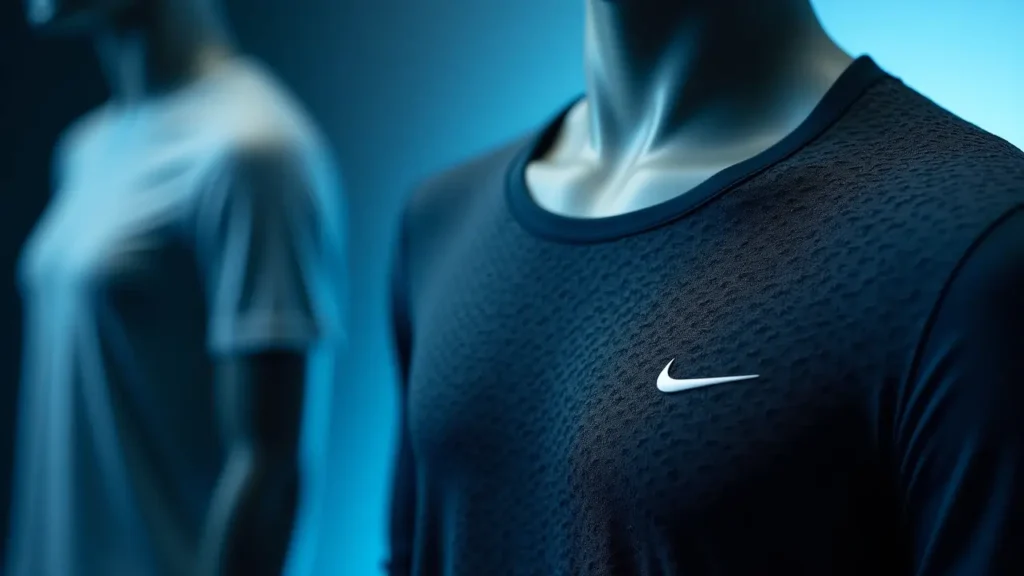
Interlock Dri Fit fabric has a tighter, double-knit structure, giving it a smooth surface and a soft hand feel. It feels thicker and sturdier than Eyelet but still lightweight. This type is commonly used in men’s Dri Fit shirts, long sleeve tees, and premium streetwear sweatshirts.
Pros:
- Smooth, premium feel that looks great for both casual and gym wear.
- Strong and resistant to stretching or shrinking.
- Ideal surface for printing — logos and designs appear vibrant.
- Retains shape even after many washes.
Cons:
- Slightly less breathable than Eyelet Dri Fit.
- Costs a bit more than basic mesh fabric.
Best for:
Streetwear, fitness t-shirts, branded gym wear, and promotional tees that need durability and style.
3. Dry Pique
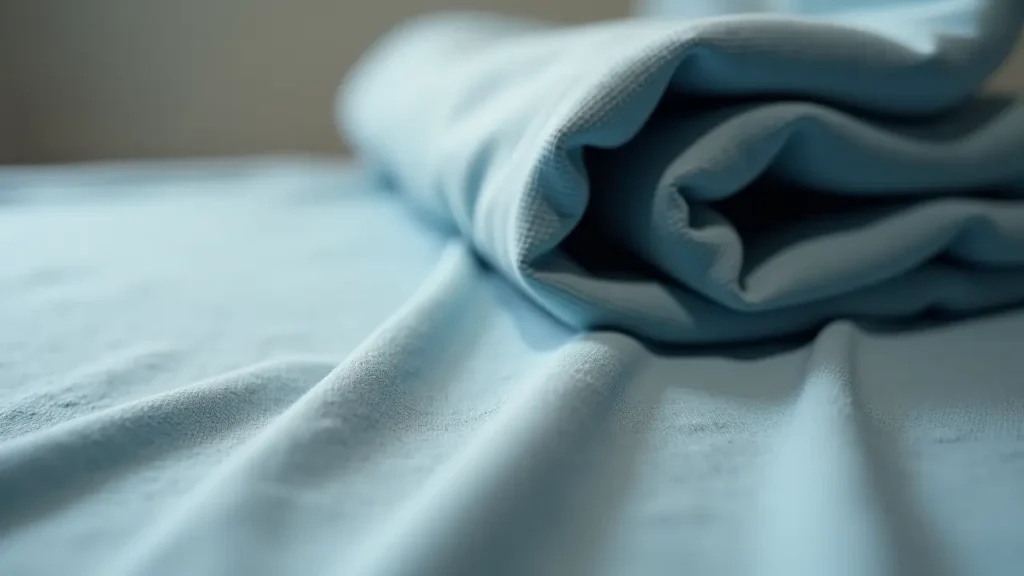
Dry Pique Dri Fit is easily recognized by its subtle textured weave that feels soft inside but has a structured outside look. It’s the type you often see in Dri Fit polos or company uniforms. This material offers a professional appearance without sacrificing comfort.
Pros:
- Gives a polished, formal look while staying breathable.
- Fabric structure helps hide sweat marks.
- Excellent shape retention and long-term durability.
- Great for embroidery or logo placement.
Cons:
- Heavier than Eyelet or Interlock fabrics.
- Textured surface can make fine prints appear slightly uneven.
Best for:
Corporate uniforms, golf polos, school tees, and casual business wear.
4. Elastane and Tri Blend Dri Fit
These are the most flexible and modern versions of Dri Fit material. They mix polyester with spandex (elastane) or use tri blend t shirts made from cotton, polyester, and rayon which is best for perfect for compression singlets or tank tops.. The result is a soft, stretchable fabric that moves naturally with your body, perfect for yoga, gym training, or relaxed streetwear.
Pros:
- Offers the best stretch and comfort for active movements.
- Soft and smooth on the skin; fits perfectly without feeling tight.
- Great shape retention even after long use.
- Available in eco-friendly versions like recycled polyester (rPET).
Cons:
- Slightly more expensive than regular Dri Fit types.
- Printing on stretchable fabric requires flexible inks and proper curing.
Best for:
Yoga tops, compression wear, sporty streetwear joggers, and premium fitness apparel.
No matter which type you choose, every Dri Fit fabric serves the same purpose: helping your body stay cool, dry, and comfortable, no matter how active you are. The choice really depends on how you plan to use it: Eyelet Dri Fit for breathability, Interlock Dri Fit for durability, Dry Pique for style, or Elastane blends for flexibility.
Main Uses of Dri Fit Material
Dri Fit material is one of the most adaptable fabrics in modern clothing. It’s found in almost every category, from gym gear to streetwear, travel outfits, and even corporate uniforms. Because it’s soft, breathable, and moisture-wicking, it suits both performance and everyday style. Here’s how people across the U.S. use it every day:
1. Gym Wear and Sportswear
From Dri Fit shirts to Dri Fit pants, this fabric was designed to handle sweat-heavy workouts and active routines. The quick dry fabric technology keeps athletes cool during long runs, training sessions, or cycling. Unlike cotton, it won’t cling to your body or stay damp after exercise, which makes it ideal for fitness enthusiasts and professionals.
Why it’s great: Lightweight, odor-resistant, and flexible — perfect for people who move.
2. Casual Streetwear
Dri Fit hoodies and Dri Fit hats have become part of today’s streetwear culture. They combine athletic comfort with a clean, modern look that fits the U.S. trend of “performance meets fashion.” You’ll find them in oversized tees, joggers, and lightweight hoodies that look stylish while keeping you dry during warm weather or outdoor walks.
Why it’s great: Combines sporty comfort with urban style; suitable for everyday wear.
3. Workwear and Uniforms
Many U.S. companies now prefer Dri Fit Fabric and Dry Pique fabrics for team uniforms and staff apparel. They look neat and professional, yet they’re far more comfortable than traditional cotton shirts. The moisture-wicking fabric helps employees stay cool during long shifts, outdoor work, or travel.
Why it’s great: Maintains a fresh, polished look all day — even in heat or humidity.
4. Outdoor and Travel Wear
Because it’s light, fast-drying, and wrinkle-resistant, Dri Fit material is ideal for travelers and outdoor lovers. It’s the go-to choice for hiking shirts, camping gear, and travel-ready outfits. If you’re spending hours outside or moving between climates, the breathable and quick-dry design helps you stay comfortable longer.
Why it’s great: Easy to pack, dries fast, and keeps you cool on the go.
This wide use shows how dry fitness culture has moved beyond the gym — it’s now part of modern lifestyle fashion. As this Lightweight, wrinkle-resistant, and quick-drying. which makes Dri Fit perfect for travel. Try pairing it with our bomber jackets or soft shell jackets for comfort and protection during outdoor adventures.
Key Benefits of Dri Fit Fabric

People love Dri Fit material because it offers real comfort with practical benefits. Here’s what makes it stand out:
- Sweat-wicking power: The material draws sweat away so your clothes stay dry.
- Quick-dry comfort: Unlike cotton, Dri Fit shirts dry in minutes, not hours.
- Lightweight feel: The fibers are thin and airy, making it comfortable all day long.
- Odor resistance: Some Dri Fit fabrics have anti-odor coatings to keep them fresh.
- Stretch and flexibility: Dri Fit pants and Dri Fit hoodies move naturally with your body.
- UV and color protection: Keeps colors bright and blocks sunlight during outdoor wear.
- Long-lasting durability: The fabric resists shrinking and fading, even after many washes.
Whether you’re wearing men’s Dri Fit shirts to the gym or a Dri Fit hoodie for casual days, you’ll feel that same easy comfort and dry freshness.
Dri Fit vs Cotton: What’s the Difference?
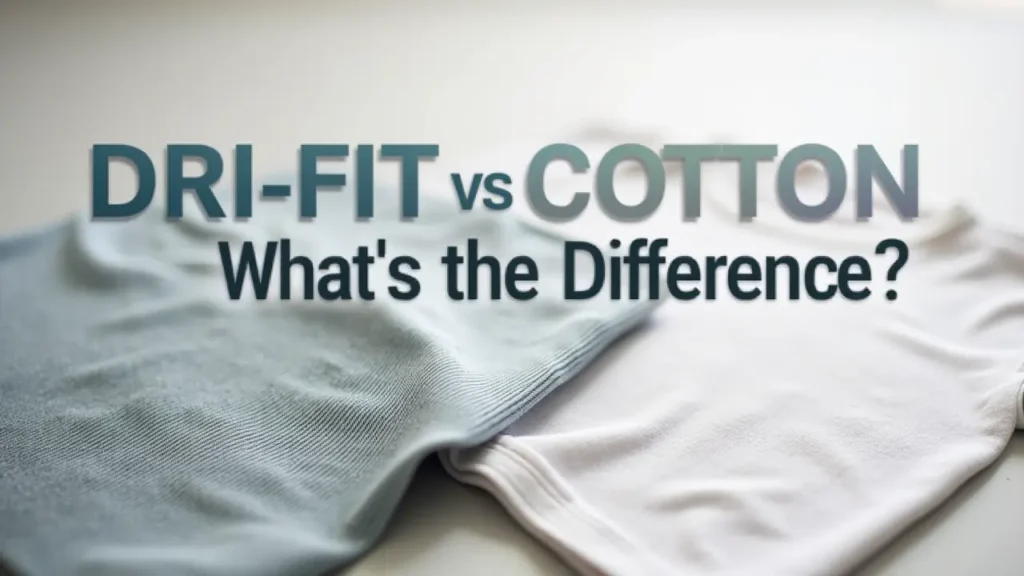
When it comes to comfort and performance, both Dri Fit and cotton have their place in your wardrobe. Cotton feels soft and natural, making it great for daily use, while Dri Fit fabric is designed for movement, sweat control, and activewear comfort.
The biggest difference comes down to how each fabric handles moisture and heat. Cotton tends to soak up sweat, while Dri Fit pushes it away — helping your body stay cooler and lighter, especially in warm U.S. climates.
Here’s a simple comparison of Dri Fit vs cotton to help you choose what fits your lifestyle best:
Feature | Dri Fit | Cotton |
Sweat Control | Pushes sweat away from the skin using moisture-wicking fibers | Absorbs sweat and holds it in the fabric |
Feel | Light, cool, and breathable | Soft and smooth but feels heavy when wet |
Dry Time | Very fast — dries within minutes | Slow — stays damp for long periods |
Odor Control | Strong (often includes antimicrobial finishes) | Weaker, can hold odor after workouts |
Durability | Long-lasting, resists shrinkage and fading | Can shrink, wrinkle, or lose shape over time |
Best Use | Sports, gym, outdoor wear, and modern streetwear | Relaxed, casual daily wear or lounging |
How to Wash and Care for Dri Fit Clothes
To keep your Dri Fit shirts, Dri Fit pants, and Dri Fit hoodies lasting longer, treat them right.
Here’s how:
- Wash in cold water with mild detergent.
- Avoid using fabric softeners or bleach — they can block the moisture-wicking pores.
- Turn your Dri Fit shirts inside out before washing to protect prints.
- Air dry or use low heat in the dryer to preserve elasticity.
- Don’t iron directly over printed designs.
With the right care, your Dri Fit material will keep performing and looking good for years.
Why Dri Fit Is the Future of Streetwear and Fitness Fashion
Dri Fit technology has transformed the way people think about comfort. What started in gyms has now made its way into performance streetwear and USA activewear brands. It’s stylish, functional, and perfect for everyday life.
From men’s Dri Fit shirts to Dri Fit hats, this technology blends athletic performance with casual design — a combination that fits perfectly with today’s fast, comfort-driven lifestyle.
If you enjoyed this, check out our related reads:
- Moisture-Wicking vs Dry Fit: What’s the Real Difference?
Explore our full sportswear collection and gym wear range to experience how Dri Fit innovation meets design.
FAQ:
Q1: What is Dri Fit material made of?
A: It’s mainly made of polyester microfibers blended with spandex to stretch and wick away moisture quickly.
Q2: Can I wear Dri Fit every day?
A: Yes, it’s soft, breathable, and perfect for daily wear — from workouts to streetwear.
Q3: Is Dri Fit better than cotton?
A: For workouts or warm climates, yes. Dri Fit stays dry, cool, and light, while cotton can feel heavy and damp.