What Is Moisture-Wicking Fabric? How It Keeps You Cool and Dry
If you have ever worn a cotton T-shirt that stayed sticky and wet after a short walk or workout, you already understand why moisture wicking fabric is important. This type of material helps you stay dry, cool, and comfortable by pulling sweat away from your skin. It is not only popular in sportswear but also in Custom streetwear, where comfort and performance go hand in hand.
Understanding Moisture-Wicking Fabric
So, what is moisture wicking fabric, and how does it actually work?
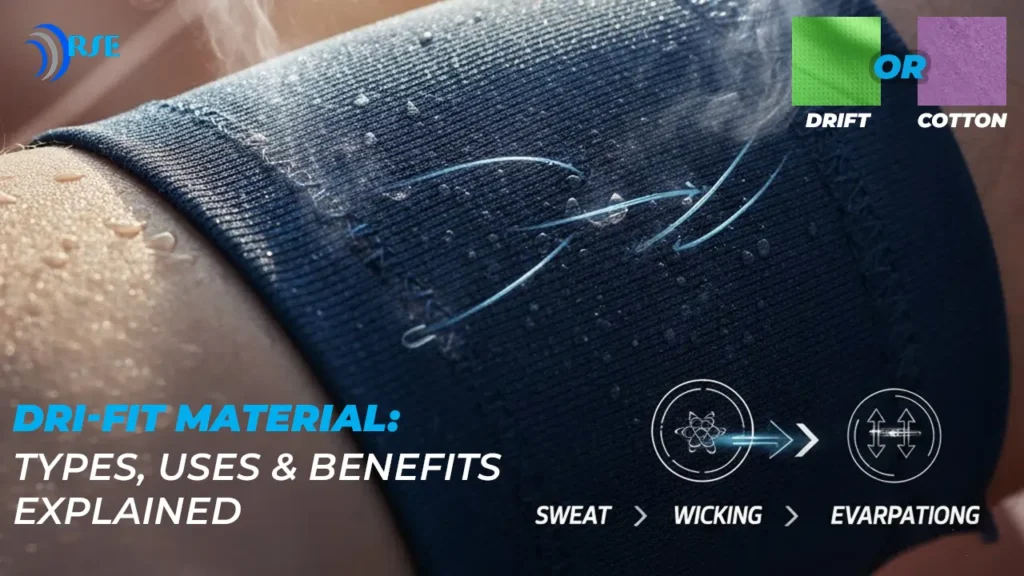
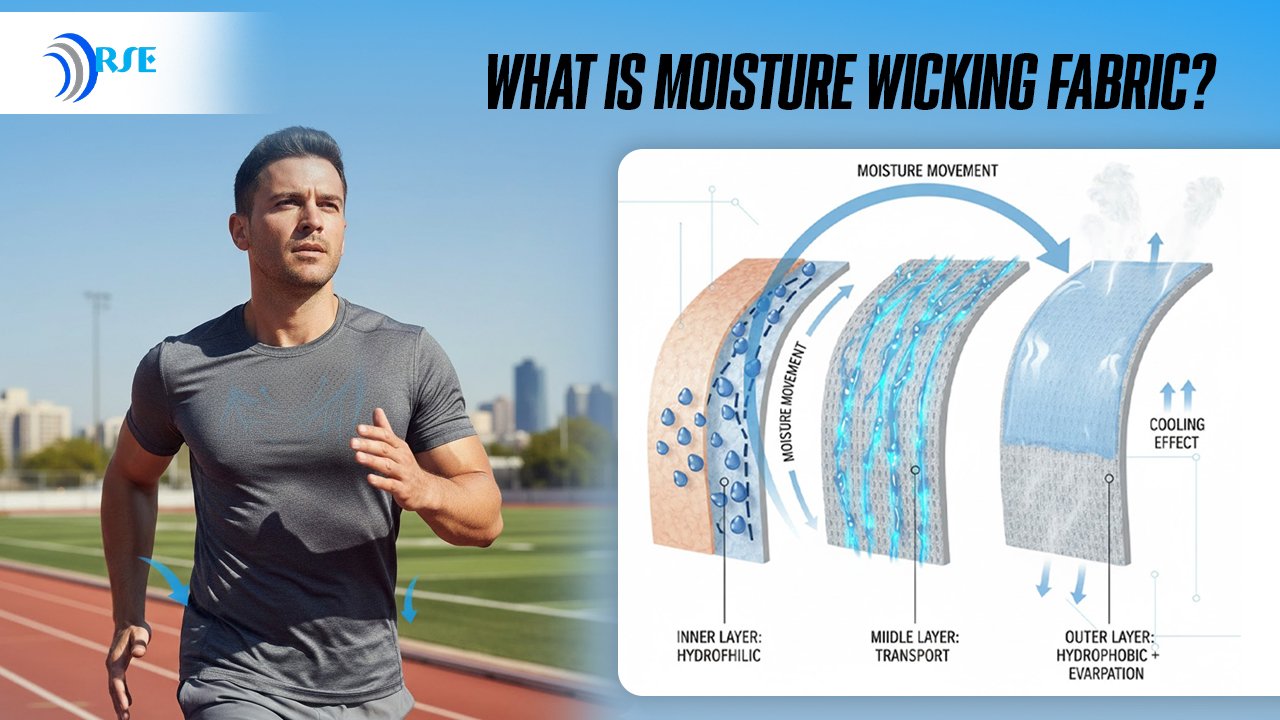
In simple words, it is a moisture wicking material fabric that moves sweat from your skin to the outer surface of your clothing, where it dries faster. Instead of holding moisture like regular cotton, moisture wicking fabrics are made to stay light and breathable.
This process is called capillary action. The fibers in the fabric are designed to lift moisture upward and spread it across the surface. That is why moisture-wicking gym shirts and performance T-shirts dry quickly and never feel heavy.. Whether you’re at the gym, outdoors, or walking through the city in your favorite hoodie, this material keeps you comfortable all day.
The Science Behind Moisture Control
The way moisture wicking fabric works is simple but effective. When you sweat, the fibers pull the moisture through tiny channels and push it toward the outer layer of the fabric. The sweat then spreads out and evaporates, which cools your body naturally. Polyester blends that include spandex are often used in flexible gym wear like compression pants or compression shorts.
A common version is the moisture wicking polyester fabric, which is light, strong, and fast-drying. The polyester moisture wicking fabric is often blended with spandex or nylon to give extra stretch and softness. These blends are perfect for activewear that also fits into a stylish performance streetwear look.
Moisture-Wicking vs Cotton: Why It Matters
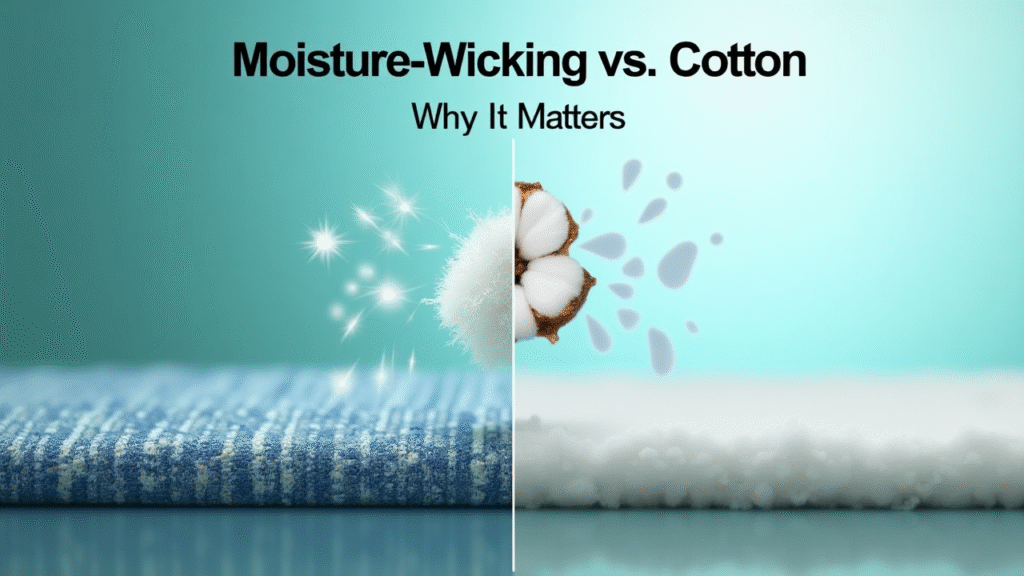
If you have ever gone for a run or even walked outside on a hot day wearing a regular cotton shirt, you know how uncomfortable it gets. Cotton is soft and breathable, but it absorbs sweat and holds onto moisture, which makes the fabric feel heavy, sticky, and cold once the breeze hits. After a while, it starts to cling to your body and takes a long time to dry.
On the other hand, moisture wicking fabric works completely differently. Instead of trapping sweat, it moves moisture away from your skin so it can evaporate faster. This quick-dry fabric technology keeps your body cooler and prevents that damp feeling that ruins your comfort. The fibers in breathable activewear fabric allow air to pass through easily, helping you stay fresh even when the temperature rises.
Here’s a quick way to understand the difference:
- Cotton: absorbs moisture, stays wet, and feels heavy.
- Moisture-wicking fabric: repels sweat, dries fast, and feels light.
That’s why you’ll see moisture wicking materials used not only in high-performance sportswear but also in high-performance gym wear such as compression singlets or sports jerseys rely on moisture-management technology.
Top Materials Used in Moisture-Wicking Fabrics
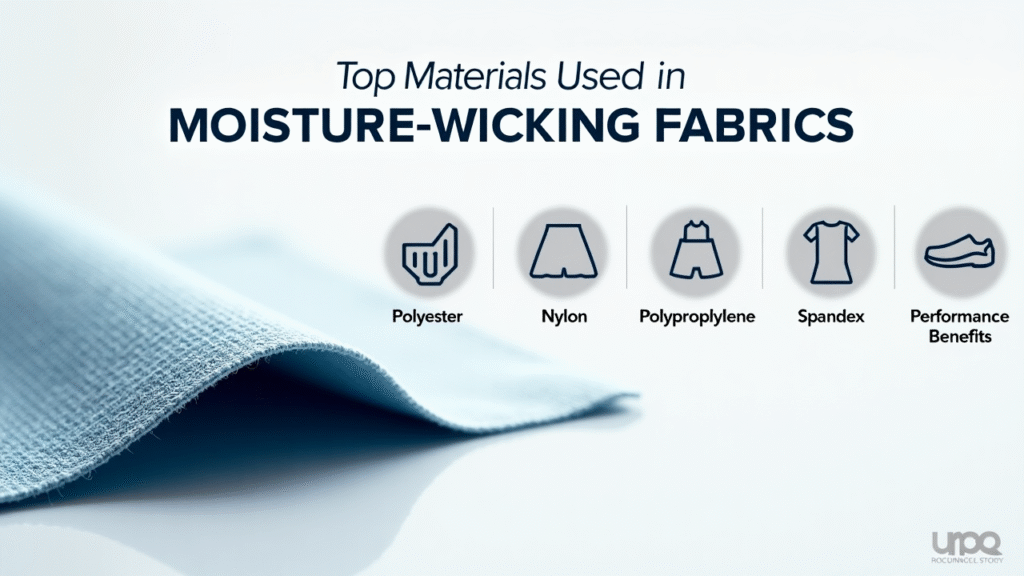
There are different kinds of moisture wicking fabric, and each type has its own strengths. The choice of material affects how well it handles sweat, comfort, and overall performance. Here are the most common options you’ll find in sportswear and streetwear today:
- Polyester moisture wicking fabric
This is the most popular option because it is lightweight, durable, and dries fast. The fibers don’t soak up water — instead, they push moisture to the surface where it can evaporate quickly. This is why polyester moisture wicking fabric is used in everything from active T-shirts and joggers to Custom made hoodies and streetwear sets. It’s also wrinkle-resistant and holds color well, making it a go-to fabric for long-lasting comfort and style. - Nylon blends
Nylon adds flexibility and softness to moisture wicking fabrics. It’s strong, stretchable, and feels smoother on the skin than polyester alone. When blended with spandex or elastane, nylon becomes ideal for performance streetwear that needs freedom of movement — like joggers, training track pants, and training tops. These breathable fibers also resist abrasion, which means they keep their shape even with heavy use. - Bamboo or merino wool
For people who prefer more natural options, bamboo and merino wool are excellent moisture-wicking materials. They naturally resist odor, dry faster than cotton, and feel soft against the skin. Bamboo fabric is eco-friendly, while merino wool keeps you warm in winter and cool in summer. These are perfect for those who want sustainability with comfort.
Together, these moisture wicking fabrics combine the best of modern technology and natural comfort. Whether you want quick-dry materials for training or breathable streetwear for everyday wear, choosing the right blend makes all the difference.
Some brands design moisture wicking fabric for skin folds to prevent irritation and rashes. For runners, there are even customizable marathon running gear moisture-wicking fabric options for ultimate comfort and personal style.
Why Moisture-Wicking Fabrics Are Now a Streetwear Essential
Streetwear is no longer just about looks, it’s about how it feels to wear it. Moisture wicking fabric brings performance-level comfort into everyday fashion. Oversized tees, hoodies, joggers, and caps made with breathable activewear fabric let you move freely while staying cool and dry.
This technology blends perfectly with urban style, making it easier to go from gym to street without changing outfits. This is why breathable outfits like hoodies and track uniforms have become staples.
Benefits of Moisture-Wicking Fabric in Activewear and Streetwear

The benefits of moisture wicking fabric go beyond just keeping you dry. Here’s what makes it popular among athletes and streetwear fans:
- Keeps you cool and comfortable during workouts or hot days
- Reduces irritation and friction in skin folds
- Controls odor by keeping the fabric dry
- Works perfectly in customizable marathon running gear with moisture-wicking fabric options
- Combines sporty function with clean, stylish looks for daily wear
You’ll often see major streetwear and athletic brands using these materials to make sure performance meets lifestyle.
How to Choose the Best Moisture-Wicking Fabric
When shopping for activewear or stylish casual pieces, it helps to know what to look for. Always start by checking the label for terms like moisture wicking polyester fabric, “quick-dry,” “breathable,” or “performance blend.” These words usually mean the item is made with performance fabric technology that helps keep you dry and comfortable especially pieces like compression tank tops or flexible gym gloves.
Touch the fabric if you can. Moisture wicking fabric should feel smooth, light, and slightly cool against the skin. Avoid materials that feel thick or heavy because they tend to trap heat and moisture.
Buying Tip:
Choose lightweight fabrics that are soft yet durable. Stretch blends, such as polyester mixed with spandex or nylon, offer extra flexibility and comfort — perfect for activewear and streetwear. If you’re a brand owner or designer, explore customizable marathon running gear moisture-wicking fabric so you can pick your own blend, finish, and texture. This gives you control over both performance and style.
Also, think about balance; the best moisture wicking fabric combines breathability, durability, and comfort. A good piece should feel dry quickly after sweating and keep its shape wash after wash. When you find that balance, you’ll know you’ve chosen the right one.
Care and Maintenance Tips
To keep moisture-wicking clothes performing well:
Wash gently in cold water
Use mild detergent
Avoid softeners (they block wicking channels)
Air dry or use low heat
This helps your gym wear and sports outfits last longer and maintain peak performance.
Real-Life Example
Let’s say you wear a cotton T-shirt for a long day out in the summer. After a short walk, it feels damp and sticky. Now imagine wearing af moisture wicking fabric tee instead — the sweat lifts away from your skin, dries fast, and your shirt still feels light and fresh hours later. That difference is why so many people now choose breathable activewear for daily use.
Conclusion
Moisture wicking fabric isn’t just for athletes anymore. It has become a staple in streetwear because it mixes comfort, breathability, and performance with modern style. Whether you’re running, skating, or just hanging out, this fabric keeps you feeling cool and confident.
If you enjoyed this article, don’t miss our next reads:
- What Is Dri-Fit Material? Types, Uses, and Benefits Explained
- Moisture-Wicking vs Dry Fit: What’s the Real Difference?
Or explore our sportswear collection for moisture-wicking pieces you can wear anywhere.
FAQ ( Frequently Ask Question)
Q1. What is moisture wicking fabric made of?
A: It’s made from synthetic fibers like polyester or nylon that draw sweat away from your skin so it can evaporate quickly.
Q2. Is moisture wicking fabric good for everyday wear?
A: Yes. Moisture wicking fabric keeps you cool and dry, making it perfect for streetwear, gym wear, and even casual daily outfits.
Q3. How can I tell if a fabric is moisture wicking?
A: Check for tags that mention “quick-dry,” “performance,” or “sweat-resistant.” These are clear signs of moisture-wicking properties.